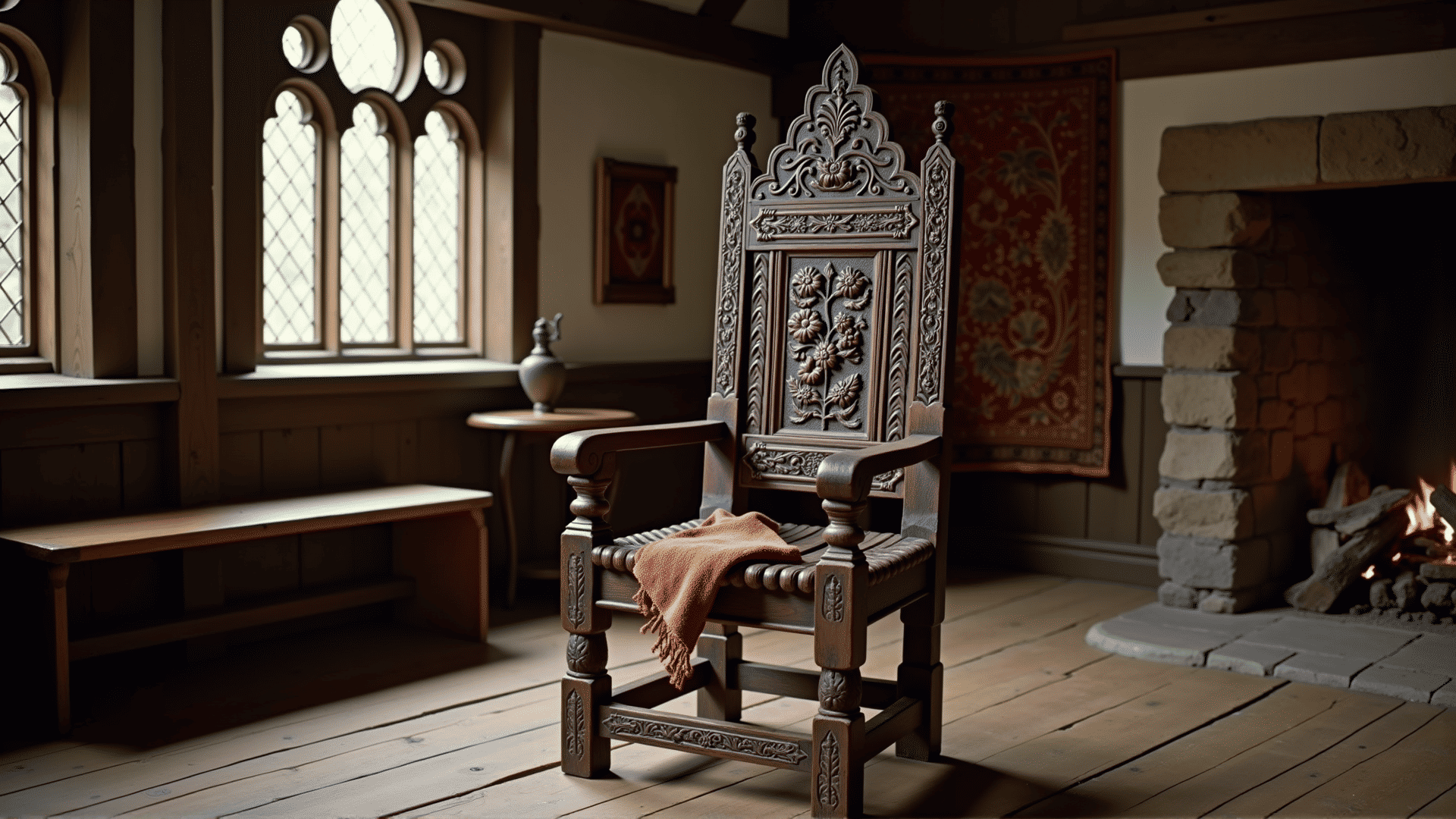
The Tudor period, a significant era in English history spanning from 1485 to 1603, was marked by tremendous cultural, political, and artistic evolution. Among its remarkable achievements, the period is particularly noted for its advancements in craftsmanship, specifically in the realm of home furnishings. This time saw the emergence of detailed and grandiose designs that mirrored the era's ornate aesthetics, laying the groundwork for future styles.
During this time, skilled artisans crafted pieces that were both functional and artistically impressive, serving as a testament to the tastes and priorities of the era. The work was influenced heavily by the broader Renaissance movement sweeping across Europe, which brought a renewed focus on classical Greek and Roman ideals. This cultural renaissance inspired English artisans to push the boundaries of their craft, incorporating intricate carvings, beautiful inlays, and robust architectural forms into their designs.
A defining feature of Tudor craftsmanship was its focus on heavy, solid pieces constructed from locally sourced oak. This material was not only abundant but also ideal for the intricate carvings that became a hallmark of the time. Craftsmen took pride in showcasing their skill through detailed representations of nature, biblical scenes, and heraldic images etched into the wood.
In domestic settings, these pieces were designed to impress. Beyond mere function, they served as symbols of status and power. Large dining tables, grand four-poster beds, and elaborately decorated chests displayed the wealth and taste of their owners. The detailed carvings and substantial construction reflected the societal values of durability and legacy.
Moreover, the Tudor period saw the emergence of new forms that catered to the evolving lifestyles of the English gentry. Chairs became more common and comfortable, moving away from simple benches to include arms and cushioned seats. This emphasis on comfort and style is considered one of the early influences leading to future innovations in home decor.
The grand castles and manor houses of the time were incomplete without paneling that showed off these artistic skills. Wall paneling was another area where artisans left their mark, with entire rooms clad in woodwork embellished with decorative motifs. This not only added to the grandeur of interior spaces but also provided insulation, practical for the colder climates of England.
The legacy of Tudor craftsmanship extends far beyond its own era. It laid the foundation for subsequent movements in design, influencing future generations to value both form and function in equal measure. Today, the appreciation for these pieces persists, highlighting the timeless appeal of their intricate work.
In conclusion, the Tudor period was a transformative time in the history of craftsmanship. It was an age where artistry was given free rein, leading to creations that were as enduring as they were beautiful. The legacy of Tudor design continues to inspire artists and artisans alike, reflecting the rich heritage and intricate artistry of an era that continues to captivate the imagination.