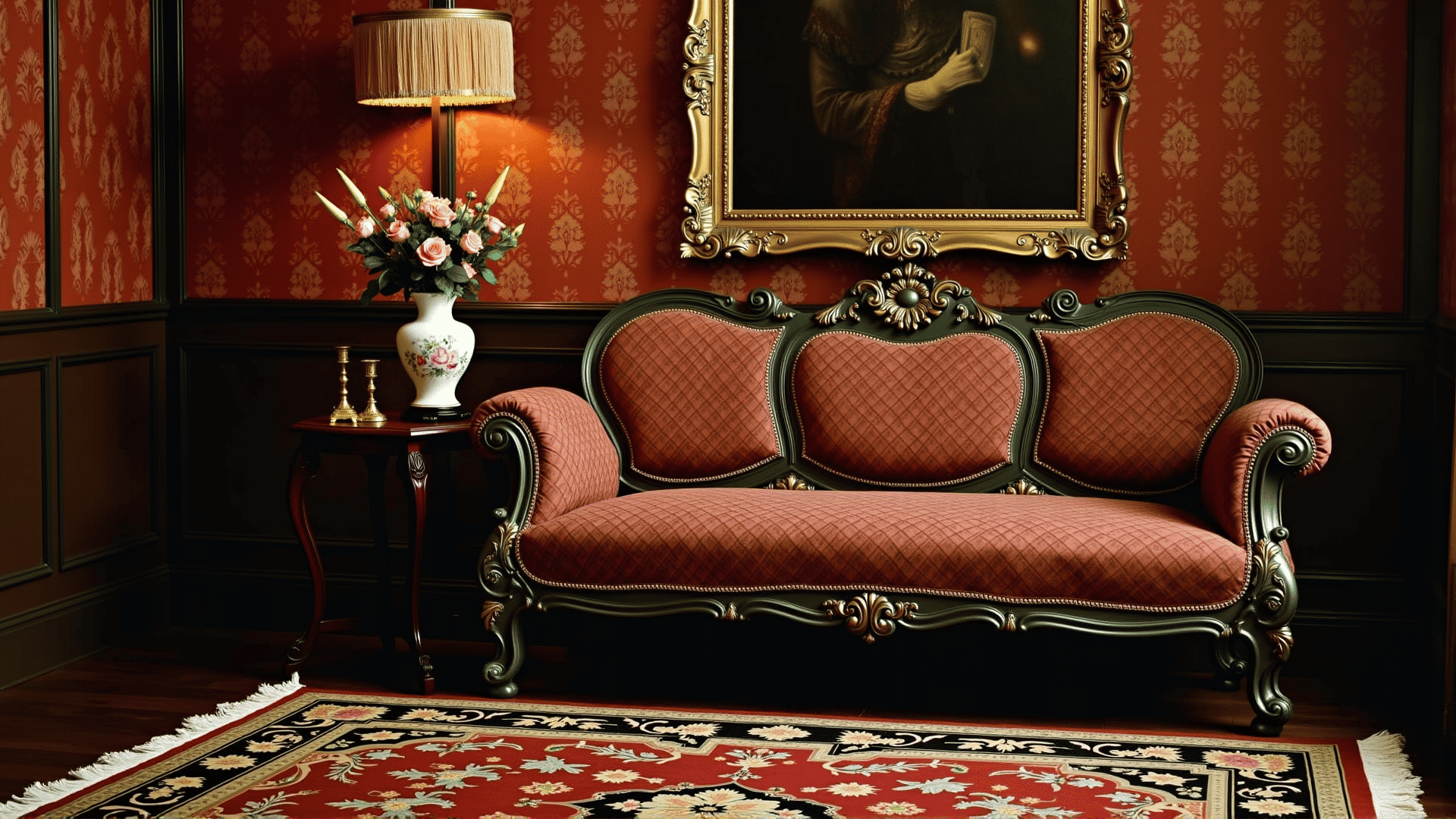
During the Victorian era, the world witnessed a remarkable transformation in the realm of design. This period, spanning from 1837 to 1901, was marked by a tremendous shift in aesthetics, influenced heavily by the reign of Queen Victoria in Great Britain. The impact of this epoch can still be seen today, particularly in the world of interior design and decor.
The Victorian era was characterized by its opulence and grandeur, which extended to furniture design. One of the most striking aspects of the time was the elaborate ornamentation prevalent in the creation of objects for living spaces. Craftsmen of the time took immense pride in detail, often incorporating intricate carvings, embellishments, and motifs inspired by nature and history. These intricate designs were not merely decorative; they told stories and often reflected the owner's stature and refined taste.
Luxurious materials were another hallmark of the period. During this time, advancements in manufacturing techniques allowed for more elaborate production, making it possible to use rich, sumptuous woods like mahogany and walnut. These materials were often paired with plush fabrics such as velvet and brocade, which added a layer of comfort and luxury to seating options. Techniques like marquetry and inlay work were common, adding layers of complexity and artistry to the pieces produced.
Distinctive styles within the Victorian era also played a significant role in shaping the aesthetic. For instance, the Rococo Revival style celebrated curves and floral motifs with a flair that communicated both movement and elegance. Gothic Revival, on the other hand, drew upon medieval influences, incorporating pointed arches, dark woods, and intricate latticework, creating a sense of drama and history in the home.
These styles and details embodied the spirit of the Victorian era—where beauty was married with functionality, and designs were expected to reflect both personal and cultural significance. The era’s influence persists into modern times as many seek to recreate the same sense of elegance and timelessness in their own spaces. There is an enduring appreciation for the craftsmanship and attention to detail that defines this storied period.
The legacy of Victorian design is apparent, not just in recreations or restorations but in the lasting appreciation for detailed craftsmanship and decorative art. Its elements continue to inspire contemporary designers, blending seamlessly with both classic and contemporary interiors, proving that good design transcends time and trends, leaving an indelible mark on the landscape of home décor.