The Renaissance, a period spanning roughly from the 14th to the 17th century, heralded a significant transformation in European art, architecture, literature, and philosophy. This era, characterized by a rediscovery of classical knowledge and an explosion of cultural and intellectual creativity, left a profound influence on various aspects of society, including the domain of home interiors.
During the Renaissance, there was a marked shift in how people perceived their surroundings. Humanism, a core philosophy of the Renaissance, emphasized the potential and achievements of humans. This newfound perspective inspired artistry that celebrated human achievements and incorporated classical elements from ancient Greece and Rome. This influence was notably evident in the way dwellings were adorned and organized.
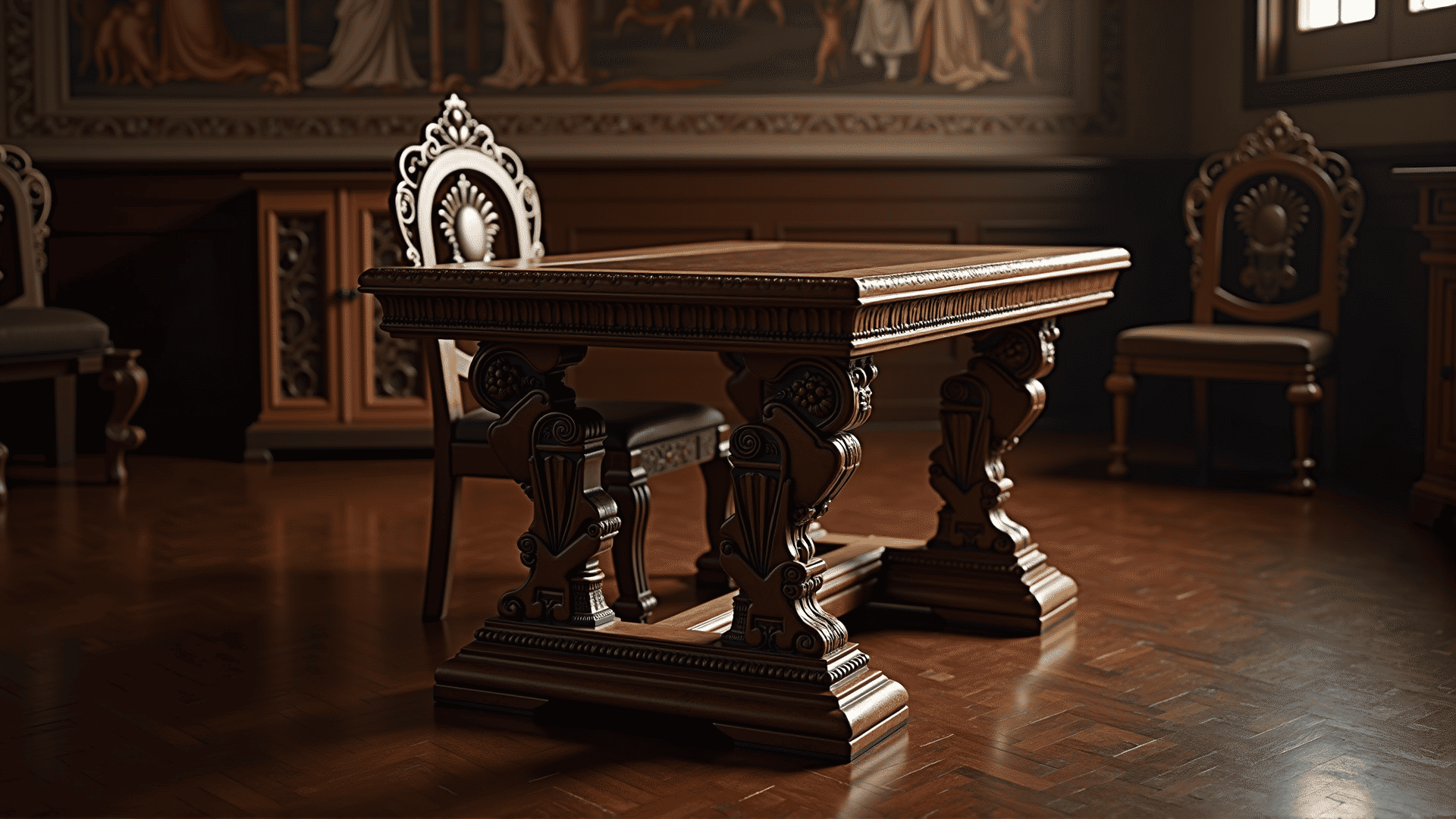
Artisans and craftsmen during the Renaissance began to integrate intricate details and classical motifs into their creations. The furniture of this era reflected a blend of functionality and aesthetic appeal, often making use of rich materials like walnut and adorned with carvings that depicted scenes from mythology or nature. These pieces were not just items of utility but were considered art in their own right, showcasing the skill and creativity of their makers.
Ornate details became a trademark of Renaissance design. Upholstery choices, intricate patterns, and elaborate woodwork all contributed to an overall sense of opulence and sophistication. Chairs and tables often featured legs carved in the shape of animal paws or adorned with delicate inlays, while cabinets were transformed into canvases showcasing intricate carvings and reliefs.
The Renaissance also promoted the notion of balance and proportion, derived from classical architecture and sculpture. This principle was applied not only in the creation of individual decorative items but also in the layout and design of entire rooms. Spaces were designed to harmonize with nature and the architecture they resided within, often featuring grand fireplaces, large, arched windows, and high ceilings that allowed natural light to play upon the elaborate woodwork and tapestries.
In conclusion, the Renaissance period brought a remarkable transformation in interior artistry, characterized by an infusion of classical elements and elaborate embellishments. This era celebrated the beauty of human creativity and craftsmanship, leaving a lasting legacy that continues to influence interior design today. The emphasis on balance, harmony, and intricate detail from this vibrant period has shaped the evolution of design philosophy, offering an enduring testament to the cultural flourish of the Renaissance.