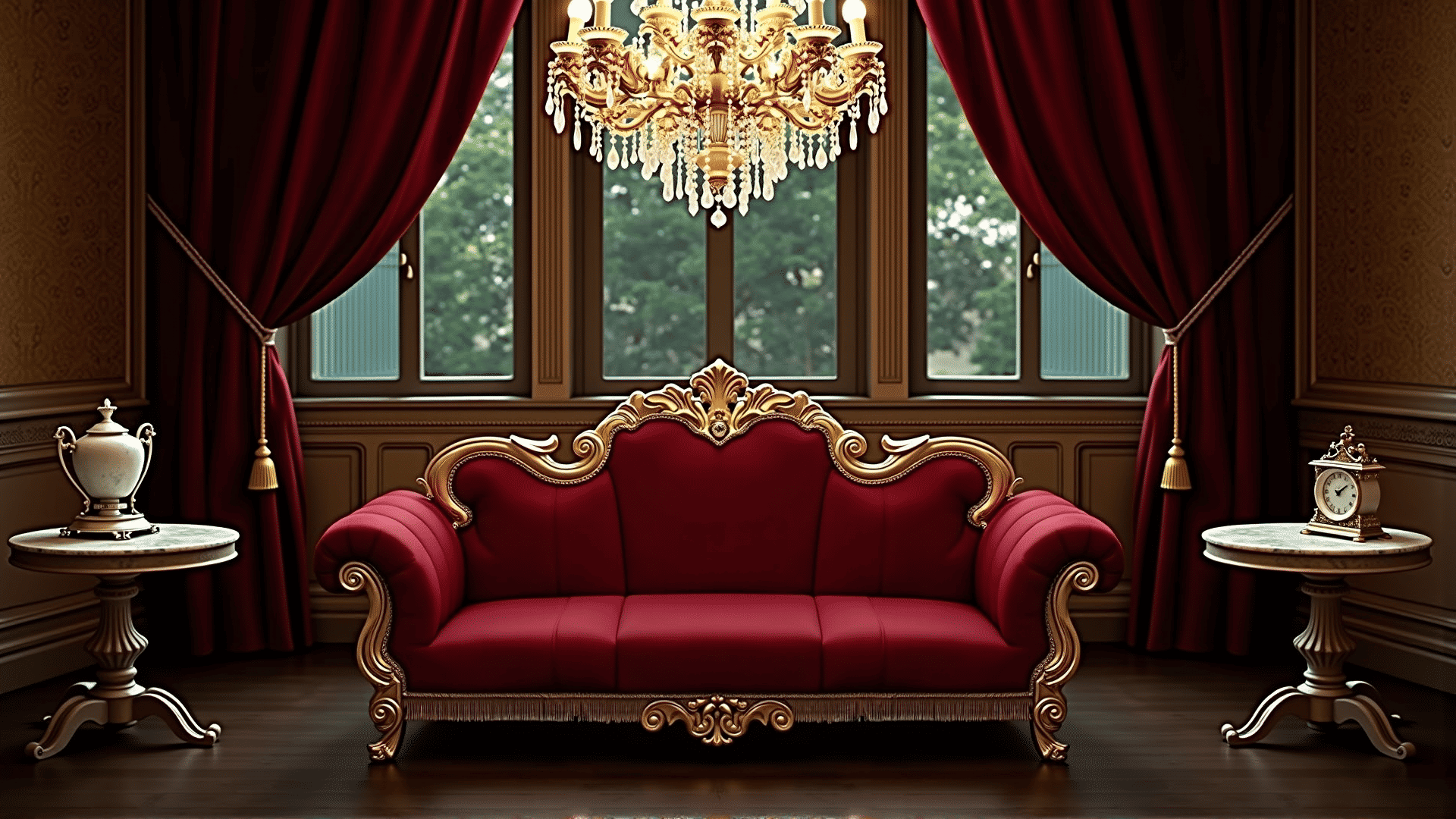
The Victorian era, spanning from 1837 to 1901, is renowned for its indulgent and sumptuous approach to interior decoration, reflecting societal values of wealth, status, and sophistication. This period was characterized by its distinct design ethos, where opulence was expressed through intricate craftsmanship and a love for ornamental detail.
During this time, artisans and designers experimented with a vast range of materials and motifs to create striking pieces that were as much about aesthetic appeal as they were about functionality. Mahogany, rosewood, and walnut were prominent choices, each offering a rich, warm hue that accentuated the elaborate carvings and embellishments characteristic of Victorian design.
The fascination with ornate detail extended beyond the materials themselves to the inclusion of various ornamental motifs such as floral patterns, scrolls, and cabriole legs. These additions conveyed a sense of grandeur and elegance, aiming to transform any space into a statement of affluence and taste. In many ways, the home became an exhibition of artistry and craftsmanship.
Upholstery selections from this era included luxurious fabrics like velvet and brocade, often adorned in deep, rich colors such as burgundy, emerald, and gold. Patterns were typically bold, featuring motifs inspired by nature or history, lending an air of extravagance and refinement.
Attention to detail was also evident in the invention and employment of various furniture styles, drawing influence from earlier design movements. Gothic, Rococo, and Neo-Classical elements frequently made appearances, embedded into the structures and embellishments of furnishings, resulting in a harmonious amalgamation of cultural aesthetics.
The Victorian era was not only about grand visual appeal but also about the functionality of design. The development of new industrial techniques during this period allowed for the mass production of beautiful yet functional pieces, making this style more widely accessible. Yet, despite this increase in availability, individuality was highly prized, and bespoke craftsmanship flourished, with artisans tailoring pieces to reflect the unique tastes and personalities of their patrons.
Beyond mere furnishings, the Victorian approach to design extended to the holistic experience of a room. The interplay of textures, patterns, and lightness-darkness contrasts created atmospheres that were both intimate and imposing. Attention to layering and accessorizing played a crucial role in completing the look, with items such as curtains, rugs, and embellishments harmonizing with the furniture to craft a cohesive aesthetic story.
Ultimately, the Victorian era stands as a testament to an era that celebrated the art of living through attention to detail, craftsmanship, and a love for the ornate. Today, these treasures from the past continue to captivate, inspiring new generations with their timeless appeal and exquisite beauty.