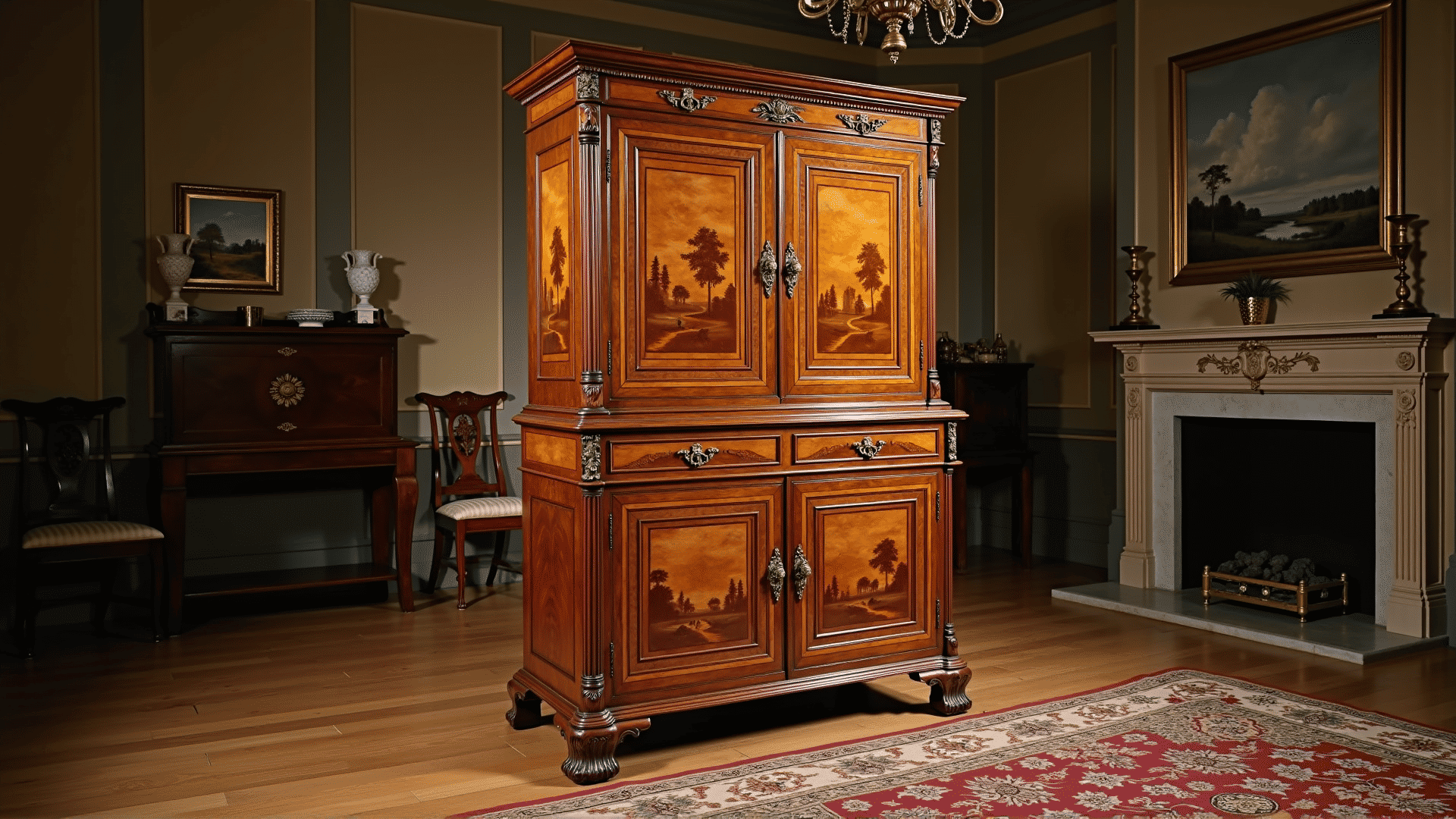
The late 17th century marked a period of profound appreciation for walnut wood, as it emerged as a quintessential symbol of opulence and refined taste. Valued primarily for its fine grain and exceptional durability, walnut became the preferred choice among artisans and craftsmen seeking to create masterpieces that would stand the test of time.
Originating from regions like North America and Europe, walnut wood had been in use for various purposes throughout history. However, its unique qualities became more widely noticed during this period. Walnut's deep, rich tones and intricate patterns distinguished it from other types of timber. As Europe's economies bolstered through trade and exploration, the demand for high-quality materials grew, and walnut was at the forefront of this transformation.
Artisans of the 17th century embraced walnut's versatility. From stately homes to manor houses, walnut found its place in various elements of interior design. Elaborate carvings, inlays, and veneers, showcasing exceptional craftsmanship, became prominent features in both residential and ecclesiastical settings. The wood's natural hues complemented a variety of interiors, ranging from the ornate to the minimalist, making it a favored choice for woodworkers aiming for elegance and sophistication.
Moreover, walnut was not just limited to artistry but also contributed to musical innovations. Instrument makers discovered that walnut’s resonant qualities enhanced the acoustics of violins and other string instruments, contributing to a richer sound. This recognition further exemplified walnut's multifaceted contribution to the era's cultural and artistic advancements.
In many ways, the appeal of walnut during this period was as much about status as it was about aesthetics. Possessing items crafted from walnut became a statement of wealth and cultural sophistication. It was often regarded as a reflection of one's appreciation for the finer things in life, signifying a blend of luxury and tradition.
The "Age of Walnut," as it came to be known, influenced future generations, leaving a lasting legacy in the world of design and craftsmanship. Its timeless appeal continues to inspire contemporary creators who seek to blend tradition with modernity. As we reflect on this era, the allure of walnut serves as a reminder of an age where craftsmanship and artistry reached new heights, driven by the pursuit of beauty and excellence.